Battling Basement Mold: The Crucial Role of Humidity Control
Introduction
Basements often serve as the forgotten spaces of our homes, tucked away beneath the hustle and bustle of daily life. However, they play a significant role in our living environment, and neglecting their maintenance can lead to a common and potentially hazardous problem: mold growth. In this blog post, we will explore the menace of mold in basements and why controlling humidity is crucial to prevent its formation and Battling Basement Mold.
The Menace of Mold
Mold is a type of fungus that thrives in damp and dark environments. Basements are an ideal breeding ground for mold due to their natural tendency to accumulate moisture. Once mold takes hold in your basement, it can lead to a variety of problems, both structural and health-related.
1. Structural Damage: Mold can wreak havoc on the structural integrity of your home. It can deteriorate wood, drywall, and insulation, leading to costly repairs.
2. Health Concerns: Mold spores are notorious for causing respiratory problems, allergies, and even more severe health issues, especially for those with pre-existing conditions or compromised immune systems.
The Role of Humidity in Basement Mold
Humidity is the amount of moisture in the air, and controlling it in your basement is the first line of defense against mold growth. Here’s why it’s so crucial: 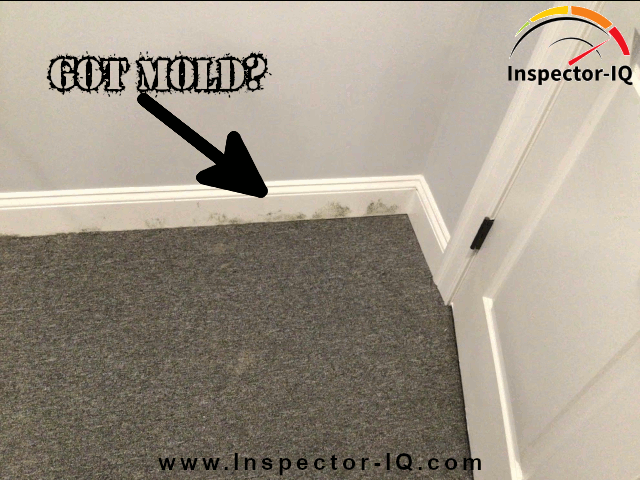
1. Mold Prevention: Mold requires moisture to grow. By keeping humidity levels in check, you are essentially cutting off one of the essential elements mold needs to thrive.
2. Healthier Indoor Air Quality: High humidity levels not only promote mold growth but also contribute to an uncomfortable and potentially unhealthy indoor environment. Reducing humidity can lead to better air quality throughout your home.
3. Preservation of Belongings: Excessive moisture can damage valuable items stored in your basement, such as family heirlooms, books, and electronics. Maintaining proper humidity levels helps protect your possessions.
How to Control Basement Humidity
Now that we understand the importance of humidity control, let’s explore some practical steps to keep your basement dry and mold-free:
1. Dehumidifiers: Invest in a high-quality basement dehumidifier to maintain optimal humidity levels (usually between 30% and 50%). These devices remove excess moisture from the air, preventing mold growth.
2. Proper Ventilation: Ensure your basement is well-ventilated by using fans, opening windows when weather permits, and installing exhaust systems if necessary. Adequate ventilation helps to keep humidity in check.
3. Seal Cracks and Leaks: Inspect your basement for any cracks or leaks and seal them promptly. Water infiltration can contribute to high humidity levels.
4. Use Moisture-Resistant Materials: When renovating or finishing your basement, opt for moisture-resistant materials like mold-resistant drywall and flooring to reduce the risk of mold growth.
5. Regular Maintenance: Routinely check for signs of mold, water damage, or high humidity levels in your basement. Early detection and remediation are essential to prevent mold from spreading.
Conclusion
Controlling humidity is the key to keeping your basement mold-free and maintaining a healthy indoor environment. Mold in the basement is not just an eyesore; it can pose significant risks to your health and the integrity of your home. By taking proactive steps to manage humidity, you can create a clean, safe, and comfortable space in your basement that enhances the overall quality of your living environment. Don’t let mold take over—keep humidity under control and enjoy a healthier home.
Disclaimer: Inspector-IQ takes reasonable efforts to ensure that the contents of its website are accurate. While every effort has been made to ensure the accuracy and completeness of the content of Inspector-IQ.com, no warranty or fitness is provided or implied, and Inspector-IQ, its partners, supporters, employees, or associated organizations shall have neither liability nor responsibility to any person or entity with respect to any loss or damage arising from its use.
Last Updated on 2 years ago