Water Heater Earthquake Strapping: Requirements, Best Practices, and Pitfalls to Avoid
Introduction
Water heaters are essential appliances in homes and commercial spaces, providing us with hot water for various domestic purposes. However, their potential to become hazardous during earthquakes is often underestimated. Water heaters can topple, leak, and cause fires if not properly secured. Earthquake strapping, also known as seismic strapping, is a vital safety measure to prevent these risks. In this article, we delve into the requirements, best practices, and pitfalls to avoid when it comes to water heater earthquake strapping.
Requirements
The specific requirements for water heater earthquake strapping can vary based on local building codes and regulations. However, some common guidelines can be followed to ensure proper installation:
- Strap Material: Use metal straps, preferably galvanized steel or similar sturdy materials, to secure the water heater. Avoid using plastic or weak materials that may not withstand the forces of an earthquake.
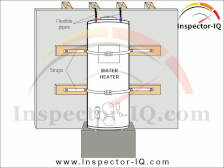
- Number of Straps: Generally, two straps are required for most water heaters. One strap should be placed higher up on the unit and the other lower down to prevent both tipping and swaying movement
- Attachment Points: The upper strap should be attached securely to a wall stud or other structural element. The lower strap should be secured around the bottom third of the heater, also anchored to a fixed point.
- Spacing and Clearance: Maintain adequate spacing between the straps and the water heater. There should be no direct contact between the straps and the heater’s gas or electrical connections. Leave enough clearance to avoid damaging these components.
- Tension: The straps should be tight enough to prevent significant movement during an earthquake but not so tight that they deform the water heater.
Best Practices
To ensure water heater earthquake strapping is effective, follow these best practices:
- Professional Installation: It’s recommended to hire a licensed plumber or contractor familiar with local codes and seismic safety to install the strapping correctly.
- Secure Attachment Points: Straps should be anchored to structural elements that can withstand the force of an earthquake, such as wall studs, concrete walls, or floor joists.
- Strap Adjustability: Use adjustable straps that allow for tightening or loosening as needed over time, considering factors like water heater maintenance or replacement.
- Regular Inspection: Periodically inspect the straps to ensure they remain secure and undamaged. Any signs of rust, wear, or weakening should be addressed promptly.
- Distance from Wall: Maintain a small gap (about 1 inch) between the water heater and the wall to prevent rubbing or friction-related damage.
Pitfalls to Avoid
Avoid these common mistakes when strapping your water heater for earthquake safety:
- Incorrect Strap Placement: Placing both straps at the same height leaves the water heater susceptible to swaying. Ensure one strap is higher up to prevent tipping.
- Inadequate Attachment: Attaching the straps to weak or non-structural components like drywall can lead to failure during an earthquake.
- Over-Tightening: Overly tight straps can damage the water heater or the connections, rendering it unsafe and potentially causing leaks or fires.
- Non-Compliance with Codes: Ignoring local building codes and regulations can lead to unsafe installations and legal consequences. For instance, in California, the California Plumbing Code (CPC) Section 507.2.1 requires strapping of water heaters.
- Improper Strap Material: Using weak or inappropriate materials can lead to strap failure and compromise safety.
Water heater earthquake strapping is an essential safety measure that should not be overlooked. By adhering to the requirements, following best practices, and avoiding common pitfalls, you can ensure that your water heater remains secure during seismic events, minimizing the risk of damage, leaks, and fires. Prioritizing proper installation and regular maintenance will contribute to the overall safety and well-being of your household or commercial space. Always consult local building authorities and professionals for guidance tailored to your specific location and circumstances.
Disclaimer: Inspector-IQ takes reasonable efforts to ensure that the contents of its website are accurate. While every effort has been made to ensure the accuracy and completeness of the content of Inspector-IQ.com, no warranty or fitness is provided or implied, and Inspector-IQ, its partners, supporters, employees, or associated organizations shall have neither liability nor responsibility to any person or entity with respect to any loss or damage arising from its use.
Last Updated on 2 years ago